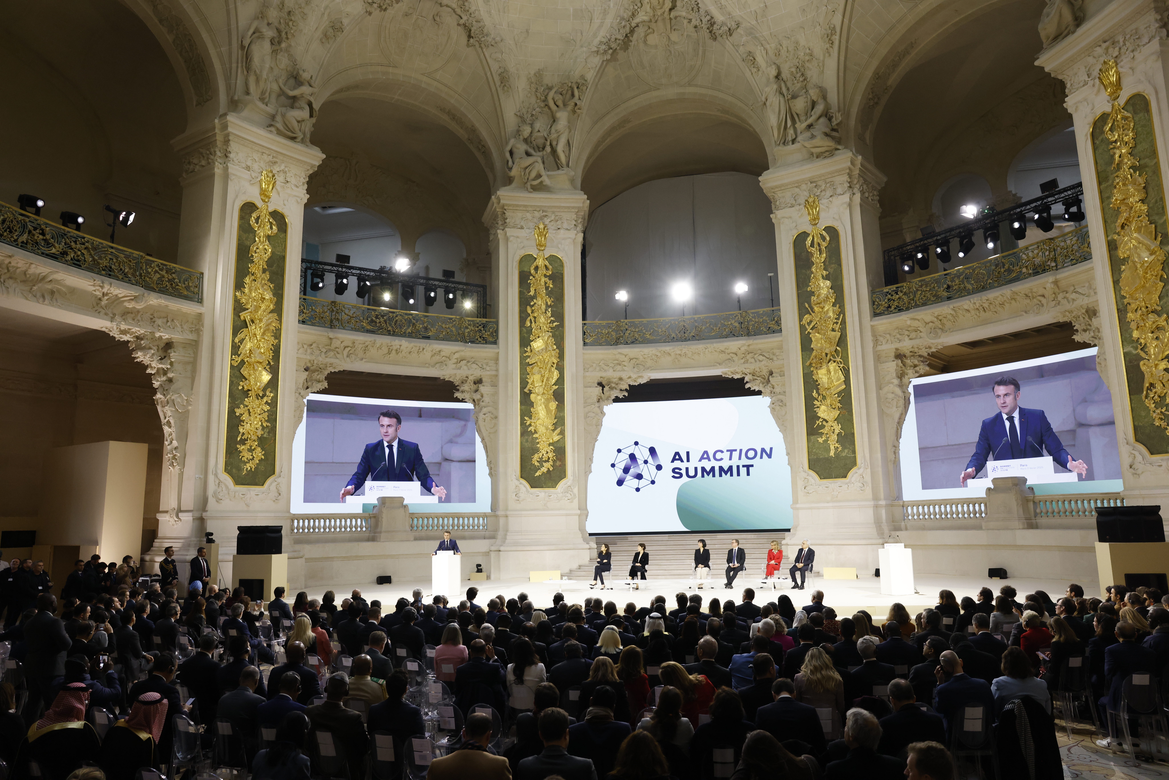
In February 2025, leaders from over 100 countries gathered in Paris at the AI Action Summit to confront the transformative impact of artificial intelligence on society. The summit resulted in the “Statement on Inclusive and Sustainable Artificial Intelligence for People and the Planet,” a declaration rooted in the Paris Pact for People and the Planet. The document sets an ambitious agenda aimed at harnessing AI to drive global development while reducing digital divides, emphasizing ethical practices, national ownership, and a human-centric approach.
The statement meticulously identifies several key priorities to ensure that the rapid development of AI benefits everyone. It calls for the following main priorities:
These priorities are designed to support both innovation and societal welfare, ensuring that the benefits of AI are distributed equitably.
At the heart of the declaration is the belief that a diverse and inclusive AI ecosystem can drive real change. The document emphasizes the need for “an open, multi-stakeholder and inclusive approach” that facilitates human-centric AI governance. In support of this vision, founding members have launched a major Public Interest AI Platform and Incubator, aimed at “supporting and co-creating a trustworthy AI ecosystem advancing the public interest of all, for all and by all.” This initiative is set to bridge the gap between existing public and private efforts, ensuring that technical advancements serve broader social goals.
Beyond outlining its vision, the statement commits to a series of concrete actions that address pressing global challenges. It calls for initiatives to “foster investments for sustainable AI systems” and to create a network of observatories to “enhance our shared knowledge on the impacts of AI in the job market.” Additionally, it highlights the need for improved coordination in international governance and stresses that “harnessing the benefits of AI technologies to support our economies and societies depends on advancing Trust and Safety.” These actionable steps aim to transform AI from a mere technological breakthrough into a robust, equitable public resource.
It (the summit) has laid an open, multi-stakeholder and inclusive approach that will enable AI to be human rights based, human-centric, ethical, safe, secure and trustworthy while also stressing the need and urgency to narrow the inequalities and assist developing countries in artificial intelligence capacity-building so they can build AI capacities.
While the statement received overwhelming support from 64 nations and organizations—including key countries such as France, China, India, Japan, Australia, and Canada—a significant rift emerged when the UK and US governments opted not to sign the declaration. Their refusal, announced towards the end of the summit, stands in contrast to the broad international consensus on the need for inclusive and sustainable AI. Although officials have yet to detail their specific objections, this decision highlights the ongoing debate over balancing global commitments with national interests.
User-Agent: